Lactose-Free Dining in Dubai: What to Order & Where
Lactose intolerance is one of the most common dietary conditions worldwide, affecting an estimated 65 to 70 percent of the global population to some degree. In a city as multicultural as Dubai, where dining out is central to social life, navigating menus when you cannot tolerate dairy is a daily reality for a significant number of residents.
The good news is that lactose-free dining in Dubai is entirely manageable once you know which cuisines, dishes, and restaurants work in your favour. The less good news is that dairy hides in places you might not expect, and not every restaurant understands the difference between "no cheese on top" and genuinely dairy-free preparation.
Where Dairy Hides in Restaurant Food
Before discussing where to eat, it is worth understanding where dairy commonly appears in restaurant dishes, often invisibly:
- Bread and baked goods: Butter and milk are standard ingredients in most bread, naan, croissants, and pastries.
- Sauces and dressings: Cream-based sauces, béchamel, alfredo, many salad dressings, and even some tomato sauces contain butter or cream.
- Marinades: Yoghurt-based marinades are common in Indian, Turkish, and Middle Eastern cuisines. Tandoori dishes are almost always marinated in yoghurt.
- Desserts: Nearly all traditional desserts involve dairy in some form, from ice cream to pastries to puddings.
- Mashed and pureed sides: Mashed potatoes, creamed spinach, and vegetable purees typically contain butter and cream.
Best Cuisines for Lactose-Free Dining
Japanese
Japanese cuisine is arguably the most naturally dairy-free cuisine available in Dubai. Traditional Japanese cooking rarely uses any dairy products. Sushi, sashimi, ramen, udon, tempura, grilled fish, and yakitori are all naturally lactose-free. The main exception is some fusion Japanese restaurants that incorporate Western elements like cream-based sauces.
Chinese and Southeast Asian
Traditional Chinese, Vietnamese, and Thai cooking use very little dairy. Coconut milk replaces cream, and cooking oils replace butter. Stir-fries, noodle soups, curries made with coconut milk, and steamed dishes are generally safe choices. Watch out for Westernised Asian fusion dishes that may introduce dairy.
Middle Eastern
Middle Eastern cuisine is mixed for lactose-intolerant diners. While many dishes are dairy-free (grilled meats, rice dishes, most salads, falafel), others are heavily dairy-based (labneh, halloumi, kunafa with cheese, yoghurt-based sauces). The key is selecting from the right part of the menu. Grilled kebabs, hummus (made with tahini, not dairy), and rice-based dishes are reliably safe.
Ethiopian and East African
Ethiopian cuisine, available at several restaurants across Dubai, is naturally dairy-light. The injera bread is made from teff flour and water, and most stews are based on oils and spices rather than dairy. This makes Ethiopian restaurants an excellent choice for lactose-intolerant diners.
Using Places UAE for Dairy-Free Dining
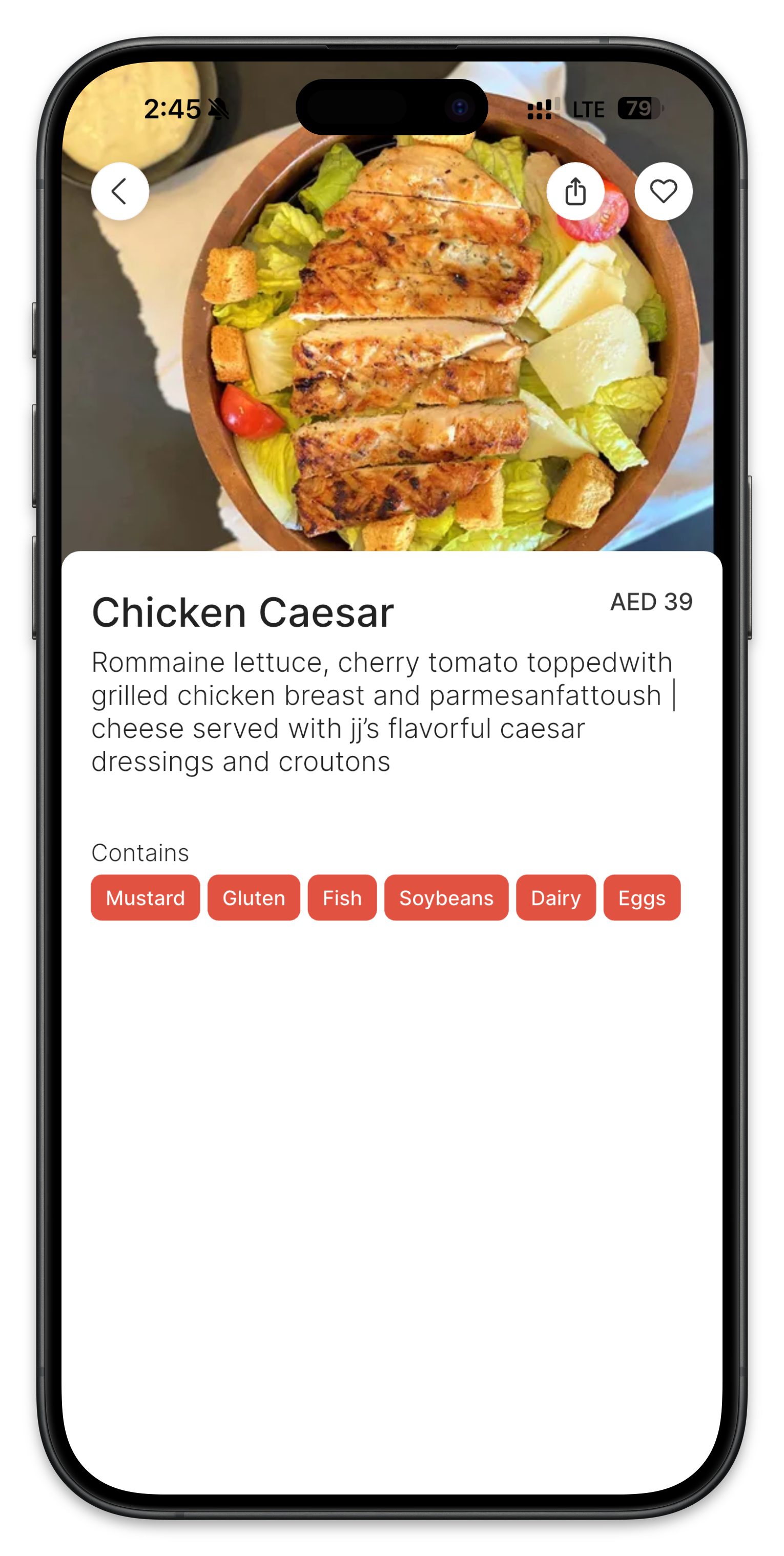
The lactose-free section on Places UAE identifies restaurants and specific dishes that are free from dairy ingredients. This menu-level approach is especially valuable for lactose-intolerant diners because dairy is often an invisible ingredient. A dish might look dairy-free on a menu description but actually contain butter in the cooking process or cream in the sauce.
By flagging dairy content at the dish level, the platform eliminates the guesswork that makes lactose-free dining stressful. You can see exactly which items on a menu are safe before you arrive, reducing the back-and-forth with waitstaff and the anxiety of hoping the kitchen understood your request.
Neighbourhood Guide for Dairy-Free Dining
- Downtown Dubai — High-end Japanese restaurants and international venues with customisable menus. Staff at premium restaurants are generally knowledgeable about dairy content in each dish.
- Al Karama and Bur Dubai — Excellent South Indian restaurants where dosa, idli, and sambhar are naturally dairy-free (when prepared with oil instead of ghee, which is worth confirming).
- JLT and Business Bay — A growing number of health-focused cafes that offer oat milk, almond milk, and coconut milk alternatives as standard, along with clearly labelled dairy-free menu items.
Practical Tips for Eating Out
- Be specific about your needs. Saying "I am lactose intolerant" is clearer than "no dairy please," which some kitchen staff may interpret as simply removing cheese from the top of a dish while still using butter in the cooking.
- Ask about ghee. Many Indian and Middle Eastern restaurants use ghee (clarified butter) liberally in their cooking. While ghee contains minimal lactose and is tolerated by some lactose-intolerant people, it is not suitable for those with a true dairy allergy. Clarify whether ghee is used and whether oil can be substituted.
- Choose grilled over sauteed. Grilled dishes are far less likely to contain hidden dairy than pan-fried or sauteed items, which often start with a base of butter.
- Explore plant-based alternatives. Dubai's cafes increasingly offer high-quality oat, almond, soy, and coconut milk alternatives. Some now charge no extra for plant-based milk substitutions.
The Improving Landscape
Dubai's awareness of lactose intolerance and dairy allergies has improved markedly in recent years. More restaurants are training staff to understand dairy content in their dishes, more menus are offering plant-based alternatives, and digital platforms are making it possible to verify ingredients before you visit. For lactose-intolerant diners, eating out in Dubai is getting easier with each passing year, and the combination of diverse cuisines and better information means you rarely have to compromise on flavour or experience.
Get Cashback at 190+ Dubai Restaurants
Pay your bill through the Places app and up to 50% comes back as cashback credit. No coupons, no vouchers. Free to download.