Halal Restaurants in Dubai: The Definitive Guide
Dubai is one of the easiest cities in the world for halal dining. The overwhelming majority of restaurants in the UAE serve halal food, and the government's food safety regulations set a high baseline for halal compliance. But "most restaurants are halal" does not mean "all restaurants are halal," and for residents and visitors who follow halal dietary laws strictly, knowing exactly where things stand is important.
This guide covers the halal dining landscape in Dubai: what the regulations require, how certification works, where to find the best halal restaurants across different cuisines, and how to verify halal status with confidence.
Understanding Halal Certification in the UAE
The UAE has some of the most rigorous halal certification processes in the world. The Emirates Authority for Standardization and Metrology (ESMA) oversees halal compliance at the national level, and Dubai Municipality enforces food safety standards locally. All meat imported into the UAE must come from halal-certified suppliers, which means the vast majority of restaurants serve halal meat by default.
However, there are important nuances. A restaurant serving halal meat is not the same as a fully halal-certified restaurant. Full halal certification means that the entire operation, from ingredient sourcing to food preparation to storage, meets halal standards. This includes ensuring that no alcohol is used in cooking, no non-halal gelatin appears in desserts, and no cross-contamination occurs with non-halal items.
Certification Levels
In practice, restaurants in Dubai fall into several categories:
- Fully halal certified: The restaurant holds an official halal certificate, does not serve alcohol, and all ingredients meet halal standards. This is the most common category for independent restaurants and local chains.
- Halal food, alcohol served: The food is halal but the establishment holds a liquor licence. This is common in hotel restaurants, fine dining venues, and many international chain restaurants. The food and drink operations are kept separate.
- Partially halal: Some menu items are halal while others are not. This is less common in Dubai but can occur at international restaurants that serve pork-based dishes alongside halal options.
- Non-halal: A small number of licensed establishments serve non-halal meat, typically pork. These are clearly identified and represent a tiny fraction of Dubai's dining scene.
Finding Verified Halal Restaurants
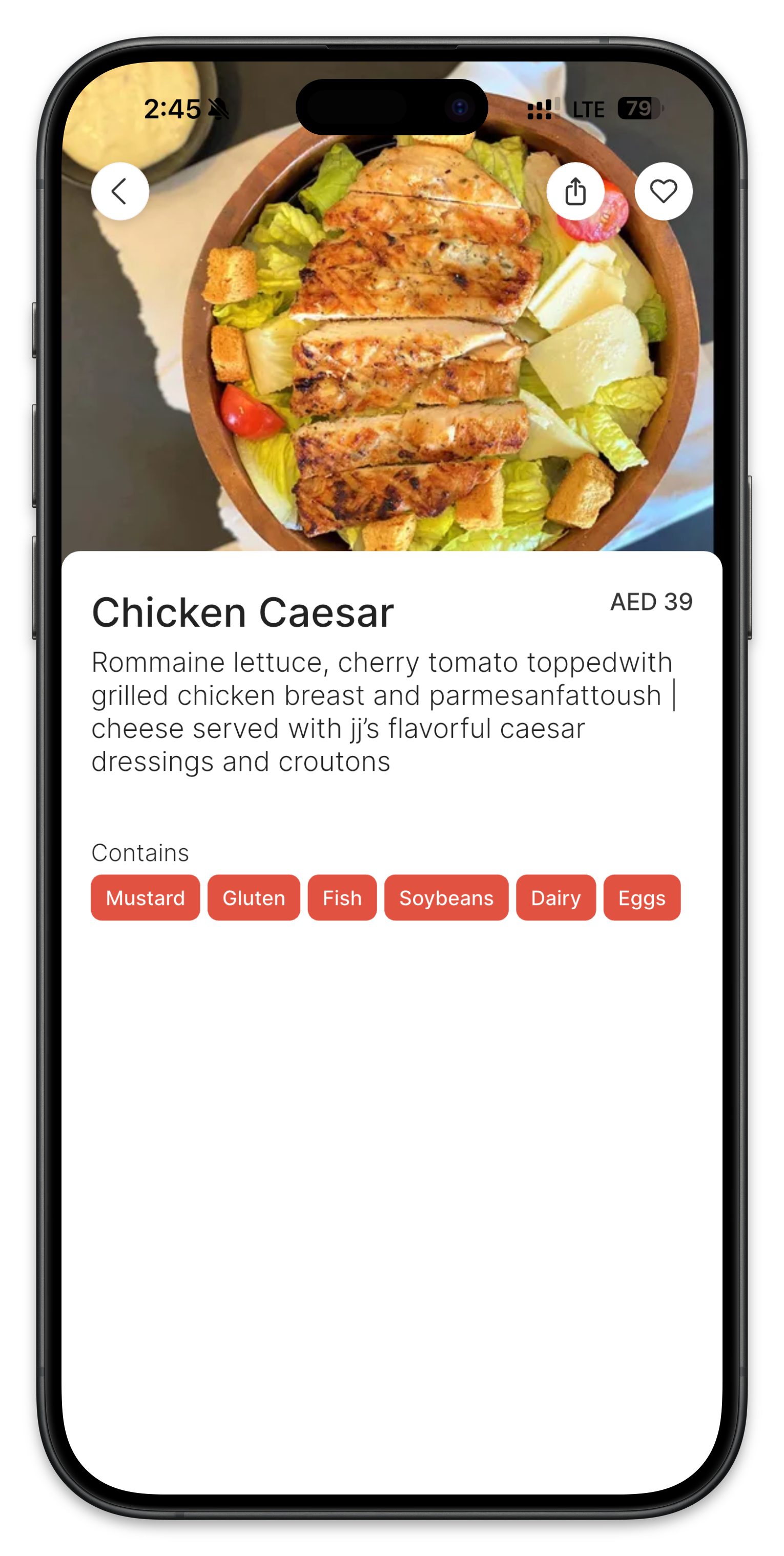
The halal dining section on Places UAE provides verified halal information for restaurants across the city. Rather than relying on assumptions or outdated listings, you can check each restaurant's halal status, see whether they hold formal certification, and understand whether alcohol is served on the premises.
This level of detail matters because different diners have different comfort levels. Some are comfortable eating halal food at a venue that also serves alcohol. Others prefer fully halal-certified establishments with no alcohol on the premises. Having clear, accurate information lets each person make the choice that aligns with their personal observance.
Best Halal Dining by Cuisine
Arabic and Middle Eastern
Naturally, Arabic restaurants in Dubai are almost universally halal. From traditional Emirati cuisine to Lebanese, Syrian, Egyptian, and Moroccan fare, this is the safest category for halal diners. The quality ranges from exceptional street-level shawarma shops to world-class fine dining venues. Areas like Downtown Dubai and Deira offer some of the city's best Arabic restaurants.
South Asian
Indian, Pakistani, and Bangladeshi restaurants in Dubai are predominantly halal, reflecting the dietary practices of their communities. From biryani houses in Al Karama to upscale Indian fine dining in DIFC, the halal options in this category are extensive. Vegetarian South Asian restaurants are inherently halal-friendly and offer an additional layer of certainty.
Turkish
Turkish cuisine in Dubai is overwhelmingly halal, with grilled kebabs, pide, lahmacun, and the full range of Turkish mezes available at halal establishments across the city. Turkish breakfast spreads, increasingly popular in Dubai, are another excellent halal dining option.
East Asian
This is where careful selection becomes important. Many Chinese, Japanese, and Korean restaurants in Dubai are halal, but not all. Some use cooking wine, mirin (rice wine), or non-halal sauces in their preparations. Places UAE flags halal-certified Asian restaurants so you can enjoy these cuisines with confidence.
Western and European
Burgers, steaks, and pasta are widely available in halal form across Dubai. Most Western-style restaurants use halal meat as standard, but fine dining venues and some European restaurants may use non-halal ingredients in specific dishes. Checking individual dish information on Places UAE is the most reliable way to confirm.
Halal Dining for Visitors
Tourists visiting Dubai often worry about finding halal food, but the reality is reassuring. Dubai is one of the most halal-friendly destinations on earth. Virtually every shopping mall food court, hotel restaurant, and neighbourhood eatery serves halal food. The exceptions are small enough in number that you are more likely to accidentally stumble into a halal restaurant than a non-halal one.
That said, visitors from countries with strict halal observance may want additional confirmation beyond the general "Dubai is mostly halal" assurance. For those diners, using a platform with verified halal data is worthwhile, particularly when exploring hotel restaurants, fine dining venues, or international chains where halal status may vary by location.
Neighbourhood Highlights
- Deira and Bur Dubai — The historic heart of the city offers the most authentic and affordable halal dining, with cuisines from across the Middle East, South Asia, and East Africa.
- Downtown Dubai and DIFC — Premium halal dining at its finest, with Arabic fine dining restaurants, halal steakhouses, and high-end Asian venues.
- Dubai Marina and JBR — A mix of casual and upscale halal restaurants catering to the area's diverse residential population.
- Al Barsha and Discovery Gardens — Excellent value halal dining with a focus on South Asian and Arabic cuisines.
Verifying Before You Visit
The most reliable approach to halal dining in Dubai combines three layers of verification: check the restaurant's halal information on Places UAE, look for the physical halal certificate displayed at the restaurant (usually near the entrance or at the cashier), and confirm verbally with staff if you have specific concerns about ingredients or preparation methods. This three-step approach takes minimal effort and provides maximum confidence.
Dubai has worked hard to establish itself as a global leader in halal dining, and the infrastructure to support halal-conscious diners is excellent. With the right information at your fingertips, you can explore the full breadth of the city's culinary offerings without compromising on your dietary principles.
Get Cashback at 190+ Dubai Restaurants
Pay your bill through the Places app and up to 50% comes back as cashback credit. No coupons, no vouchers. Free to download.