Best Loyalty Apps for Restaurants in the UAE: 2026 Platform Comparison
Choosing a loyalty platform for your restaurant is one of those decisions that looks simple on the surface but gets complicated quickly. There are dozens of options: standalone apps, POS-integrated solutions, custom builds, and marketplace platforms. Each promises to boost retention, increase spend, and deliver data insights. But which one actually delivers for restaurants operating in the UAE?
This guide provides an honest, practical comparison of the major loyalty platforms available to UAE restaurant owners in 2026. We'll cover costs, features, customer adoption rates, and real-world effectiveness — so you can make an informed decision rather than an expensive mistake.
What to Look For in a Restaurant Loyalty Platform
Before comparing specific platforms, let's establish the criteria that actually matter for a restaurant in the UAE:
- Cost structure: Setup fees, monthly charges, transaction costs, and hidden expenses
- Customer adoption rate: The best loyalty system in the world is useless if customers don't use it
- Ease of implementation: How quickly can you launch, and how much staff training is required?
- Existing user base: Does the platform bring you new customers, or only retain existing ones?
- Data and analytics: What insights do you get about customer behaviour?
- Reward model: Points, stamps, cashback — which model drives the best results?
- UAE market fit: Is the platform designed for or proven in the UAE market?
With these criteria in mind, let's examine each category of platform.
Platform Comparison
1. Places UAE — Free Cashback Marketplace
Places UAE takes a fundamentally different approach to restaurant loyalty. Rather than selling you software, it operates as a dining marketplace where your restaurant is listed alongside thousands of others, and customers earn cashback on every visit.
How it works: You set a cashback percentage (typically 15 to 30 per cent). Customers discover your restaurant through the Places app, dine with you, pay their bill, and automatically receive cashback credited to their Places wallet. The cashback encourages them to return — and to choose your venue over competitors who don't offer it.
Cost:
- Setup fee: AED 0
- Monthly fee: AED 0
- You pay a commission only when a customer transacts — purely performance-based
- No hardware, no software licences, no minimum commitments
Customer adoption: This is where Places UAE has a significant structural advantage. The app already has an active user base of Dubai diners who are specifically looking for restaurants. You're not asking customers to download "your" app — they're already on the platform. This solves the single biggest problem with standalone loyalty solutions: getting customers to actually participate.
Analytics: Partner dashboard provides visit data, repeat rates, and cashback performance metrics.
Best for: Restaurants of any size wanting a zero-risk loyalty solution with immediate access to an existing customer base. Particularly strong for independent restaurants and small chains that can't justify the cost of standalone loyalty software. Learn how to set up the cashback system in detail.
Limitations: Your loyalty programme exists within the Places ecosystem rather than as a standalone branded experience. For most restaurants, this is actually an advantage (existing user base, zero cost), but large chains wanting fully branded loyalty may want to supplement with their own system.
2. Standalone Loyalty Apps (Stamp Me, Flex Rewards, LoyalZoo)
These are dedicated loyalty platforms that restaurants can white-label or brand with their own identity. Customers download an app (or use a web-based system), earn rewards, and redeem them at your venue.
How it works: You sign up, configure your reward structure (stamps, points, or a combination), customise the branding, and promote the app to your customers. Staff typically need to scan a QR code or enter a transaction at the point of sale to award loyalty credits.
Cost:
- Setup fee: AED 0 to AED 2,000
- Monthly fee: AED 200 to AED 1,500 per location
- Annual cost per location: AED 2,400 to AED 18,000
- Some charge per-transaction fees on top of monthly subscriptions
Customer adoption: This is the critical weakness. Standalone loyalty apps require customers to download yet another app — and in 2026, app fatigue is real. Industry benchmarks show that single-restaurant loyalty apps achieve adoption rates of just 5 to 15 per cent of total customers. Of those who download, 30 to 40 per cent become inactive within 90 days.
Analytics: Generally solid — most platforms offer customer visit frequency, spend tracking, and basic segmentation.
Best for: Restaurants with strong, established brands where customers are already loyal enough to download a dedicated app. Multi-location chains with the marketing budget to drive downloads.
Limitations: Low adoption rates mean your loyalty programme only reaches a fraction of your customer base. You're also paying a fixed monthly cost regardless of results, which creates overhead risk.
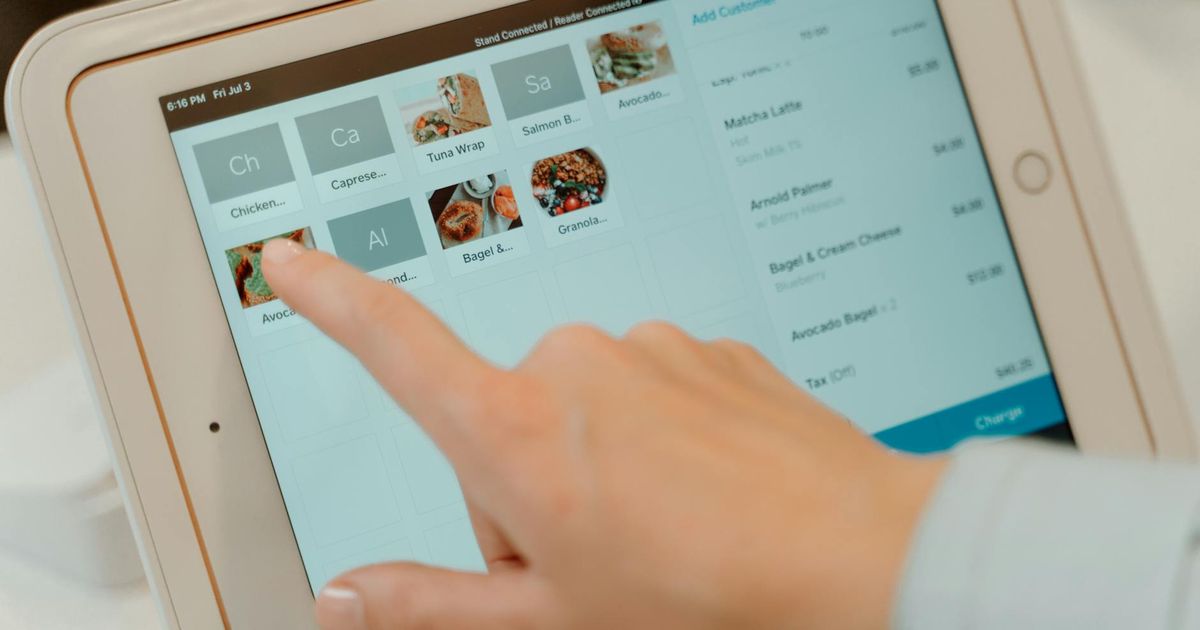
3. POS-Integrated Loyalty (Lightspeed, Square, Toast)
Several point-of-sale systems now include built-in loyalty features. If you're already using a POS like Lightspeed, Square, or Toast, adding their loyalty module can seem like the most convenient option.
How it works: Loyalty is built directly into your POS workflow. When a customer pays, the system automatically tracks their visit, awards points or stamps, and applies rewards. Customers typically identify themselves via phone number, email, or a linked payment card.
Cost:
- Setup fee: Usually included in POS subscription
- Monthly fee: AED 150 to AED 800 as an add-on to your POS plan
- Annual cost: AED 1,800 to AED 9,600 per location
- Note: This assumes you're already on the POS platform; switching POS systems to access loyalty is not recommended
Customer adoption: Better than standalone apps because it's frictionless — customers don't need to download anything if you use phone number or card linking. Adoption rates of 20 to 40 per cent are typical, though active engagement (actually redeeming rewards) is lower.
Analytics: Strong, because the loyalty data is integrated with your sales data. You get a complete picture of customer spend, visit frequency, and menu preferences.
Best for: Restaurants already on a POS platform that offers loyalty as a module. The integration removes friction and eliminates the need for a separate system.
Limitations: POS-integrated loyalty is typically points-based, which — as we've covered in our cashback vs. points comparison — tends to underperform cashback on redemption rates and customer satisfaction. You're also locked into your POS provider's loyalty design and features, with limited customisation.
4. Custom-Built Loyalty Apps
Some restaurant groups choose to build their own loyalty app from scratch, either in-house or with an agency.
How it works: You hire developers to create a mobile app (iOS and Android) with your branding, your reward structure, and your features. Full control over the experience.
Cost:
- Development: AED 80,000 to AED 300,000+
- Monthly maintenance and hosting: AED 3,000 to AED 15,000
- Marketing to drive downloads: AED 5,000 to AED 30,000+ per month
- First-year total cost: AED 176,000 to AED 675,000+
Customer adoption: Highly variable and entirely dependent on your marketing spend. Without significant investment in promoting the app, downloads will be minimal. Even well-funded restaurant apps typically see 8 to 20 per cent customer adoption.
Analytics: Fully customisable — you own the data and can build whatever reporting you need.
Best for: Large restaurant groups (10+ locations) with significant marketing budgets and a strategic vision for a fully branded digital experience. Not practical for independent restaurants or small chains.
Limitations: Extremely expensive, slow to launch (3 to 9 months), and requires ongoing investment in maintenance, updates, and marketing. The vast majority of restaurant-specific apps fail to achieve meaningful adoption rates.
Head-to-Head Comparison Table
Here's how the platforms stack up on the metrics that matter most:
- Places UAE: AED 0 setup, AED 0/month, performance-based cost, cashback model, high adoption (existing user base), launches in days
- Standalone apps: AED 0-2K setup, AED 200-1,500/month, stamps or points model, low adoption (5-15%), launches in 1-2 weeks
- POS-integrated: AED 0 setup (if on platform), AED 150-800/month, points model, medium adoption (20-40%), launches in 1-2 weeks
- Custom build: AED 80-300K+ setup, AED 3-15K/month, any model, variable adoption (8-20%), launches in 3-9 months
The Customer Adoption Problem — And Why It Matters Most
Every loyalty platform promises features. But features are meaningless without adoption. A loyalty programme that 5 per cent of your customers use delivers 5 per cent of its potential value. This is why the most important question when evaluating a platform isn't "What can it do?" but "Will my customers actually use it?"
The fundamental challenge with standalone apps and custom builds is that they require customers to take an action — downloading an app — that most people simply won't do for a single restaurant. People already have dozens of apps on their phones. The friction of downloading, registering, and learning a new app for one restaurant's loyalty scheme is a barrier that most diners won't cross.
Marketplace platforms like Places UAE bypass this problem entirely. The customer is already using the app to discover restaurants. Your loyalty programme (cashback) is built into an experience they already have, rather than requiring them to adopt a new one. This is a structural advantage that no amount of marketing spend on a standalone app can easily overcome.
Combining Platforms for Maximum Impact
These platforms aren't mutually exclusive. A smart strategy for many restaurants combines:
- Places UAE for customer acquisition and broad-base loyalty: Zero-cost cashback reaches the widest audience and drives discovery. Learn more about reducing customer acquisition costs.
- POS-integrated loyalty for deep data: If your POS offers it, use the built-in loyalty to track your most frequent customers and personalise their experience.
- VIP programmes for top customers: Identify your top 5 to 10 per cent of spenders and create a manual, high-touch VIP experience — personal messages, exclusive tastings, priority reservations. This doesn't require any technology.
This layered approach gives you broad reach (Places), operational data (POS), and personal touch (VIP) — covering the full spectrum of customer loyalty without excessive cost. Check out our full guide on implementing a restaurant loyalty programme in Dubai for more strategic detail.
What About Loyalty Through Social Media?
Some restaurants attempt to build loyalty through Instagram or social media "communities." While social media is excellent for brand awareness, it's a poor substitute for a structured loyalty programme. Social media followers are not loyal customers — they're an audience. Loyalty requires a mechanism that ties rewards to actual spending behaviour, which social media alone cannot provide.
That said, social media and loyalty programmes work well together. Use social media to promote your cashback offering on Places, driving awareness that converts into tracked, rewarded visits.
Frequently Asked Questions
What is the best loyalty app for a small restaurant in the UAE?
For small and independent restaurants, Places UAE offers the best value. It costs nothing to set up, charges no monthly fees, provides access to an existing customer base, and uses a cashback model that has the highest customer engagement rates. There is no financial risk — you only pay when customers visit.
How much should a restaurant spend on a loyalty programme?
Ideally, as little as possible in fixed costs. Variable-cost models (like Places UAE's commission-based approach) are lower risk because you only pay when the programme delivers results. Fixed monthly fees of AED 500 to AED 1,500 can be justified if the platform delivers measurable increases in repeat visits, but always calculate your return on investment.
Can I use Places UAE alongside my existing POS loyalty?
Yes. Many restaurants use Places UAE for customer acquisition and broad cashback appeal while maintaining their POS-integrated loyalty for internal data tracking. The two systems complement each other.
What adoption rate should I expect from a restaurant loyalty app?
Standalone apps: 5 to 15 per cent. POS-integrated: 20 to 40 per cent. Marketplace platforms like Places UAE: higher adoption because customers are already on the platform. Custom-built apps: 8 to 20 per cent with significant marketing investment.
Is it worth building a custom loyalty app for my restaurant?
Only if you operate 10+ locations, have a marketing budget exceeding AED 10,000 per month for app promotion, and need features that no existing platform provides. For the vast majority of UAE restaurants, existing platforms deliver better results at a fraction of the cost. See our list of free tools available to restaurant owners before investing in custom development.
How does Places UAE make money if it's free for restaurants?
Places UAE operates on a commission model. When a customer visits your restaurant through the platform and completes a transaction, Places takes a small commission on that transaction. A portion of the commission funds the customer's cashback reward. This means Places only earns when you earn — aligning incentives between the platform and your restaurant.
Making Your Decision
The loyalty platform landscape for UAE restaurants is broad, but the decision framework is simpler than it appears. Ask yourself three questions:
- What's my budget? If the answer is "minimal" or "zero," Places UAE is the clear choice.
- Do I need my own branded app? If yes, expect to invest AED 100K+ and several months. If no, a platform solution gets you live in days.
- What's my priority — acquisition or retention? If acquisition, choose a marketplace with existing users (Places UAE). If pure retention of existing customers, a POS-integrated system can work — but consider that even retention improves when customers have a tangible, cashback-based reason to return.
For most restaurants in the UAE, the answer points to starting with Places UAE. It's zero risk, zero cost, and immediately connects you with active diners who are ready to become your regulars.
Get Cashback at 190+ Dubai Restaurants
Pay your bill through the Places app and up to 50% comes back as cashback credit. No coupons, no vouchers. Free to download.