Why Dubai Restaurants Are Going Digital: The Menu Revolution
Walk into almost any restaurant in Dubai today and you will notice something that barely existed five years ago: a QR code on the table inviting you to view the menu on your phone. The shift from paper to digital menus has accelerated dramatically, and Dubai is leading this transformation in the Middle East. But the evolution goes beyond simple QR codes. Platforms like Places UAE are creating rich, interactive digital menu experiences that give diners more information, more control, and ultimately better dining decisions.
The Rise of Digital Menus in Dubai
Dubai's restaurant industry adopted digital menus faster than most cities globally. Several factors drove this rapid adoption:
- Tech-savvy population: Dubai has one of the highest smartphone penetration rates in the world. Diners are comfortable with digital interactions and expect them.
- Multilingual needs: With residents and tourists from over 200 nationalities, paper menus in one or two languages were always limiting. Digital menus can instantly display in any language.
- Frequent menu changes: Dubai's competitive restaurant scene means menus change often. Reprinting paper menus for every price adjustment or seasonal change was costly and wasteful.
- Post-pandemic expectations: Contactless service became standard during 2020-2021, and diners grew accustomed to the convenience. There has been no return to paper-first menus.
How Digital Menus Have Evolved
Phase 1: Basic PDF Menus
The earliest digital menus were simply PDF versions of paper menus displayed on phone screens. These were functional but frustrating: tiny text, horizontal scrolling, and no interactivity. Many restaurants still use this approach, but it represents the minimum rather than the standard.
Phase 2: Interactive Web Menus
The next generation brought mobile-optimised menus with photos, descriptions, dietary tags, and sometimes calorie information. These menus load in a browser, require no app download, and provide a significantly better experience than PDFs. Search functionality, category filters, and allergen indicators became common features.
Phase 3: Smart Platform Menus
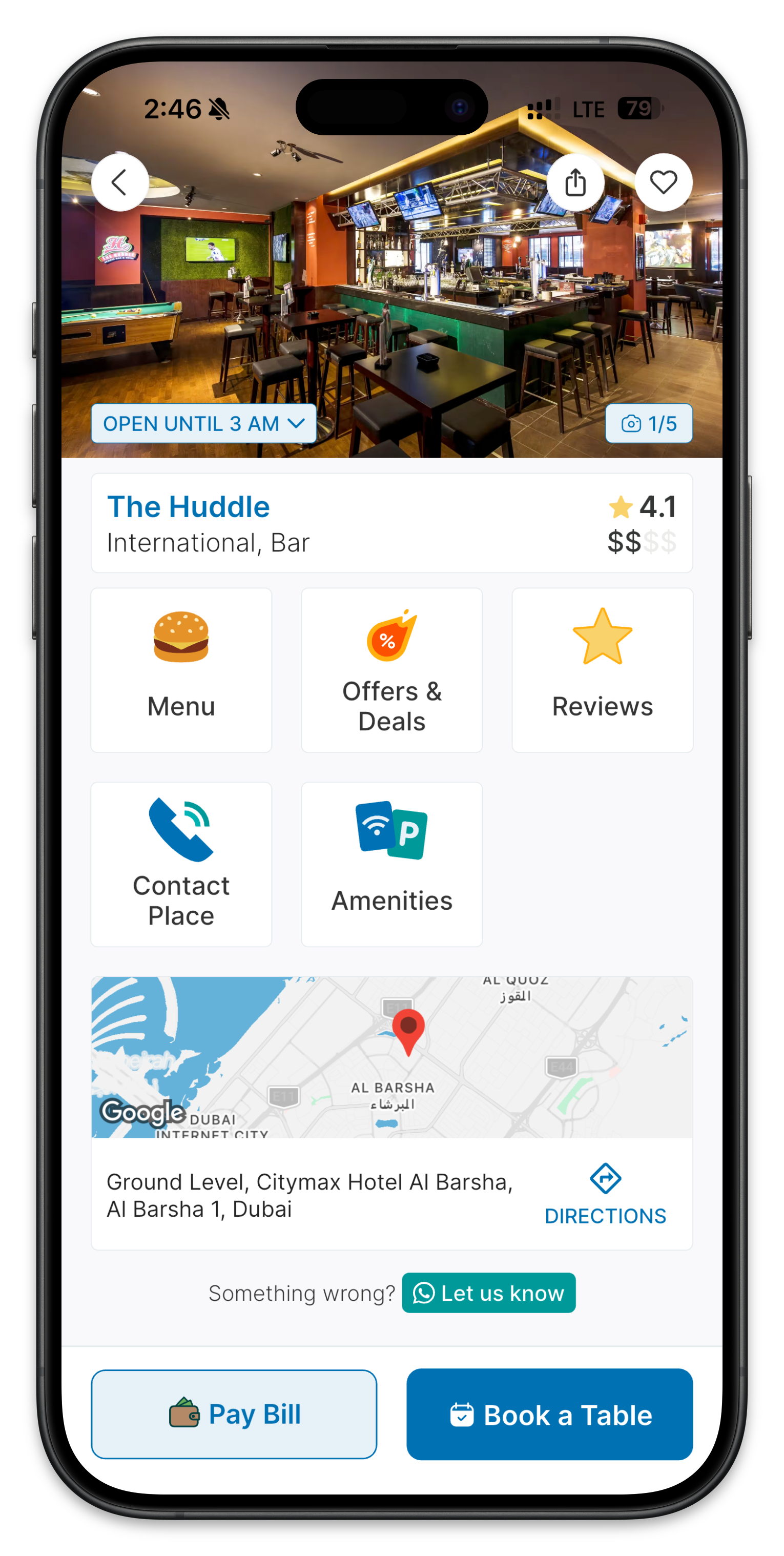
This is where platforms like Places UAE are driving the conversation forward. Rather than each restaurant building its own digital menu system, Places UAE aggregates menus from hundreds of restaurants across Dubai into a consistent, feature-rich format. Diners can browse menus before visiting, compare prices between restaurants, check dietary suitability, view food photos, and read reviews, all from a single app.
Benefits for Diners
Make Better Decisions Before You Arrive
One of the most significant advantages of digital menus on Places UAE is the ability to browse before you visit. Instead of arriving at a restaurant and discovering they do not serve what you wanted, or that prices are beyond your budget, you can check the full menu from home. This is particularly valuable for group dining, where you need to ensure the restaurant caters to everyone's preferences and dietary requirements.
Accurate Dietary and Allergen Information
Paper menus rarely provide comprehensive allergen information. Digital menus on Places UAE can tag dishes with dietary attributes: vegan, gluten-free, nut-free, halal, and more. For diners with allergies or dietary restrictions, this information is not just convenient; it is essential for safety. The digital format also allows updates without reprinting, meaning allergen information stays current when recipes change.
Real Photos of Real Dishes
Digital menus can include photos of every dish, taken in the actual restaurant rather than in a studio. User-contributed photos on Places UAE add an additional layer of honesty: you see what real customers actually received, not a styled marketing shot. This transparency helps set accurate expectations and reduces the disappointment of ordering based on a description alone.
Price Transparency
Digital menus on Places UAE display current prices, including any service charges or taxes. This transparency helps diners budget accurately and compare value between restaurants. When combined with cashback information, you can calculate your exact expected spend before leaving home.
Benefits for Restaurants
The digital menu revolution is not just about diners. Restaurants benefit significantly:
- Instant updates: Change a price, add a seasonal dish, or mark an item as sold out in real time. No printing delays, no crossed-out prices with pen.
- Reduced costs: A busy Dubai restaurant might have spent AED 5,000-10,000 annually on menu printing. Digital menus eliminate this cost entirely.
- Better data: Digital menus reveal what dishes diners look at, which categories they browse first, and where they drop off. This data helps restaurants optimise their offerings.
- Sustainability: Eliminating paper menus aligns with Dubai's sustainability goals. A city with thousands of restaurants printing and reprinting menus generates significant waste that digital menus avoid.
The Future of Restaurant Menus in Dubai
The digital menu evolution is far from complete. Emerging trends include personalised menu recommendations based on your preferences and past orders, augmented reality that shows 3D renderings of dishes at your table, and dynamic pricing that adjusts based on demand, similar to airline tickets. Dubai's forward-thinking restaurant scene is likely to adopt these innovations earlier than most cities.
Places UAE is at the forefront of this evolution, continuously enhancing its menu features to give diners the most informative, transparent, and user-friendly menu experience possible. The next time you scan a QR code at a Dubai restaurant, consider the journey from paper to platform, and how much better your dining experience is because of it.
Get Your Free Digital Menu on Places UAE
Join the Places cashback network and your digital menu is included. No subscription.
Get Your Free Digital Menu