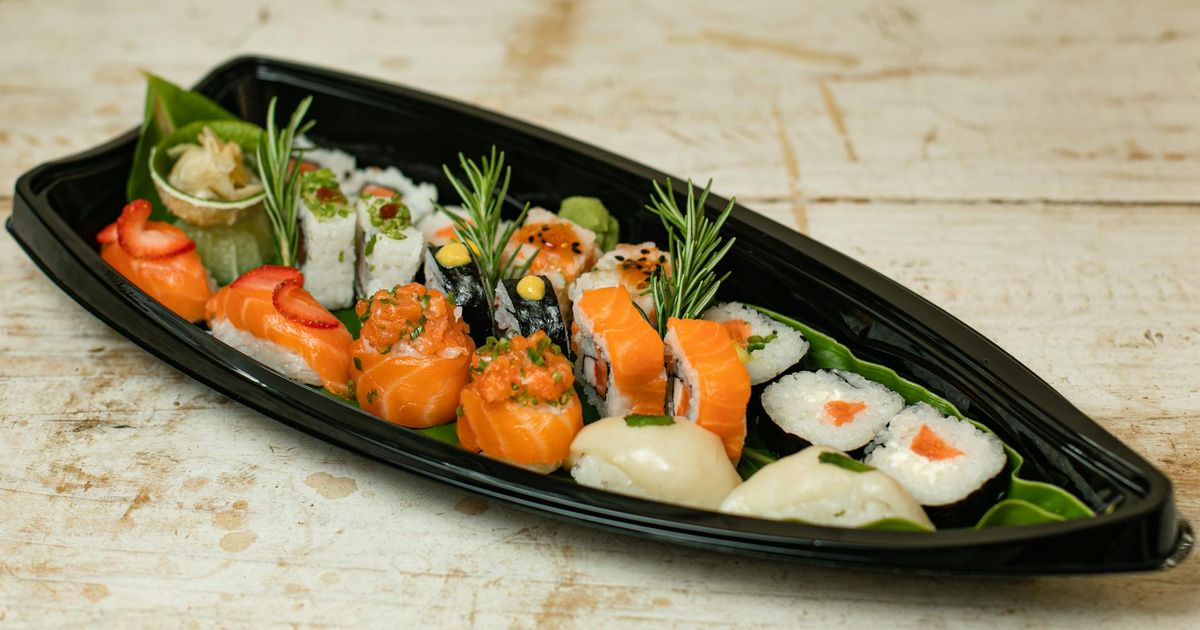
Cashback at Japanese and Sushi Restaurants in Dubai: Premium Dining, Smart Savings
Japanese food in Dubai occupies a unique position: universally loved, widely available, and almost always expensive. A decent sushi dinner for two routinely costs 400–600. An omakase experience can exceed 1,000. Even a simple ramen lunch at a popular spot runs 60–80 per person. The quality is often exceptional — Dubai has attracted serious Japanese culinary talent — but the price point means most people treat Japanese dining as an occasional splurge rather than a regular habit.
Cashback changes that equation entirely. With Places UAE offering 20–30 % cashback at Japanese restaurants across the city, that 300 sushi dinner effectively costs 210–240. An 800 omakase becomes 560–640. Suddenly, Japanese food is not a twice-a-year treat — it is something you can enjoy monthly, or even fortnightly, without the financial guilt.
Why Japanese Restaurants Are Perfect for Cashback
Japanese cuisine and cashback are an unusually good pairing, for reasons that go beyond simple arithmetic:
- High average bills. Because Japanese food — particularly sushi — uses premium ingredients, bills are naturally higher. A 25 % cashback on a 500 bill returns 125. That same percentage at a casual cafe returning 12 barely registers. Japanese cashback delivers savings you actually feel.
- Repeat desire, price hesitation. Most people would eat sushi far more often if it cost less. Cashback bridges that gap, converting occasional diners into regulars — which is exactly why Japanese restaurants embrace the model.
- Date night default. Japanese restaurants are the most popular date-night choice in Dubai after Italian. Couples who dine out every week or two accumulate enormous savings by routing their sushi dates through cashback.
- Premium positioning. Even at 20 % cashback, the absolute savings on a high-end Japanese meal dwarf what you would save at a lower-priced restaurant offering 30–35 %.
Japanese Cashback Dining by Restaurant Type
Omakase Experiences
Omakase — the chef's choice tasting menu — represents the pinnacle of Japanese dining in Dubai. Intimate counter seating, pristine ingredients flown in from Tsukiji, and a theatrical presentation that justifies prices of 500–1,200 per person.
Several of Dubai's omakase restaurants participate in cashback through Places UAE, typically at 20–25 %. The maths is thrilling:
- Omakase for two at 800 per person = 1,600 total
- At 20 % cashback = 320 returned
- Effective cost = 1,280 (or 640 per person)
That 320 saving is not pocket change — it is the cost of an entire casual dinner elsewhere. For couples who enjoy omakase once a quarter, cashback effectively gives them a fifth visit free each year.
Sushi Restaurants
Beyond omakase, Dubai has a rich selection of sushi restaurants ranging from high-end sushi bars to casual roll-and-maki places. This is the broadest category and where most diners will find their regular Japanese cashback spots.
Typical sushi restaurant cashback profile:
- Average spend for two: 300–500
- Cashback range: 20–30 %
- Savings per visit: 60–150
- Best for: Date nights, friend catch-ups, celebrations
The sushi category also includes the popular all-you-can-eat sushi restaurants, which offer fixed-price menus of 150–250 per person. Cashback on these fixed-price formats is particularly satisfying because you know your exact saving before you even sit down.
Ramen and Noodle Bars
Dubai's ramen scene has exploded in recent years, with dedicated ramen shops and Japanese noodle bars appearing in malls and standalone locations across the city. Ramen is the most affordable entry point to Japanese cashback dining, with bowls typically priced at 45–70.
Cashback rates at ramen spots tend to be slightly higher than at premium sushi restaurants — often 25–30 % — because the lower price point allows more competitive offers. A 55 bowl of tonkotsu ramen with 30 % cashback costs an effective 38.50. At that price, a weekly ramen habit becomes entirely reasonable.
Izakaya-Style Dining
Izakayas — Japanese pub-style restaurants serving small plates alongside drinks — are one of Dubai's most enjoyable dining formats. They combine the variety of a tapas restaurant with Japanese precision, and the sharing format makes them excellent for groups.
Izakaya bills typically run 150–250 per person due to the multiple-small-plates ordering style. Cashback of 20–25 % on an izakaya dinner for four (total bill 700) returns 140–175 — substantial savings on what is already one of the most fun dining experiences in the city.
Conveyor Belt and Casual Sushi
For everyday Japanese food, conveyor-belt sushi restaurants offer the lowest price point. Plates range from 10–25 each, and a satisfying meal for two costs 100–180. These restaurants often offer 25–30 % cashback, bringing the effective cost of a casual sushi lunch down to 70–125 for two.
This is the entry point for making Japanese food a weekly fixture rather than a monthly treat. At these prices with cashback, sushi for lunch costs about the same as a sandwich from a premium cafe — but the experience is incomparably better.
Best Areas for Japanese Cashback Dining
DIFC
DIFC has the highest concentration of premium Japanese restaurants in Dubai. Several internationally acclaimed sushi and omakase venues call the district home, and a surprising number participate in cashback. The price points are the highest in the city, but so are the absolute savings. This is where cashback turns aspirational dining into achievable dining.
Downtown Dubai
Downtown offers a range from hotel-based Japanese restaurants to standalone sushi bars in the Souk Al Bahar and surrounding areas. The mix of price points means there is a Japanese cashback option whether you want to spend 80 or 800. It is also an excellent area for combining dinner with a walk around the Fountain — an evening that feels special without the full special-occasion price tag.
Dubai Marina and JBR
Dubai Marina and JBR have several popular Japanese restaurants, many of them with waterfront terraces that make for a stunning dining backdrop. Cashback rates here tend to be competitive (20–25 %) as restaurants on the Walk and the Marina promenade vie for foot traffic. A sunset sushi dinner overlooking the Marina with cashback applied is one of Dubai's best-value premium experiences.
JLT
JLT has a growing selection of casual Japanese restaurants, including some of the best ramen spots in the city. The area's more residential character means slightly lower prices than Marina or Downtown, and cashback rates of 25–30 % make it an excellent choice for regular Japanese dining without the premium-area markup.
Business Bay
Business Bay has attracted several contemporary Japanese restaurants targeting the young professional demographic. These venues combine modern design with creative Japanese menus and tend to offer cashback in the 20–25 % range. It is a great area for Thursday night dinner plans.
The Date Night Calculation
Let us be honest: Japanese restaurants are the default date-night choice for a reason. The ambience, the presentation, the quality of ingredients — everything about Japanese dining says "this is a special evening." Cashback preserves all of that while reducing the financial impact.
A typical couple's Japanese date night in Dubai:
- Sushi and sashimi platter to share — 180
- Two signature rolls — 120
- Hot dishes (gyoza, edamame, tempura) — 90
- Dessert — 60
- Two drinks — 80
Total: 530
At 25 % cashback: 132.50 saved
If this couple does a Japanese date night twice a month, their annual cashback totals 3,180. That is a weekend away — funded entirely by cashback on dinners they were going to have anyway.
For more ideas on romantic dining with cashback, explore our top cashback restaurants guide and filter for date-friendly venues.
Japanese Food Categories: Where Cashback Hits Hardest
Not all Japanese dishes deliver equal cashback value. Here is a practical ranking of where your cashback percentage translates to the most meaningful savings:
Highest Impact
- Omakase tasting menus — Fixed high price means fixed high cashback return.
- Premium sashimi platters — Bluefin tuna, uni, otoro — these premium items drive up bills and cashback in equal measure.
- Wagyu dishes — Japanese-style wagyu in Dubai commands 200–400 per dish. Cashback here is genuinely impactful.
Strong Impact
- Signature rolls — 50–80 per roll. Two or three of these form the backbone of most sushi dinners.
- Hot stone and teppanyaki — Interactive dining formats that carry premium pricing.
- Sake and Japanese drinks — Where drinks are included in the cashback, the beverage component can add meaningfully to savings.
Good Everyday Value
- Ramen bowls — Lower absolute savings but higher percentage, making it ideal for weekly visits.
- Bento boxes — Fixed-price lunch sets ( 60–100) with reliable cashback.
- Donburi (rice bowls) — Affordable and satisfying, with consistent cashback rates.
Comparing Japanese Cashback to Other Premium Cuisines
Japanese is not the only premium cuisine in Dubai, but it is one of the most rewarding for cashback. Here is a comparison:
- Japanese vs. French fine dining — Both carry similar price points, but Japanese restaurants participate in cashback more frequently. French fine dining in Dubai tends to be more conservative about cashback partnerships.
- Japanese vs. steakhouse — Comparable bill sizes, but Japanese restaurants often offer slightly higher cashback percentages (20–30 % vs. 15–25 % at steakhouses).
- Japanese vs. Italian — Italian restaurants are typically cheaper, so while their cashback percentages may be similar, Japanese delivers higher absolute savings per visit.
The bottom line: if you are going to use cashback at premium restaurants, Japanese dining consistently delivers the best combination of high bills and decent cashback percentages.
Making Japanese Dining a Regular Habit with Cashback
The real magic of Japanese cashback is not a single saved amount — it is the shift in behaviour it enables. Here is how different diners might integrate Japanese cashback into their routine:
- The weekly ramen lover: 55/week × 30 % cashback × 50 weeks = 825 annual savings
- The fortnightly sushi couple: 400/visit × 25 % cashback × 26 visits = 2,600 annual savings
- The monthly omakase enthusiast: 800/visit × 20 % cashback × 12 visits = 1,920 annual savings
- The social izakaya group (4 people, monthly): 700/visit × 25 % cashback × 12 visits = 2,100 annual savings
For a comprehensive approach to building dining savings, see our guide to saving 500+ monthly.
Frequently Asked Questions
Which Japanese restaurants in Dubai offer cashback?
A wide range of Japanese restaurants participate in cashback through Places UAE, from premium omakase venues in DIFC and Downtown to casual ramen shops in JLT and Marina. The selection changes and grows regularly, so the best approach is to check the app and filter by Japanese cuisine in your preferred area. You will likely be pleasantly surprised by the quality of restaurants available.
Is cashback available on omakase and set menus?
Yes, at participating venues. Cashback is typically calculated on the total bill regardless of whether you order a la carte or a set menu. Some restaurants may have specific terms for their premium tasting menus, so check the venue's listing in the Places app for details before booking.
Can I combine cashback with lunch set menus for extra value?
This is one of the smartest strategies for Japanese cashback dining. Many Japanese restaurants offer lunch sets at 30–50 % less than dinner prices. Applying cashback on top of an already-discounted lunch set maximises your savings. A lunch set priced at 120 (versus 200 at dinner) with 25 % cashback costs an effective 90 — less than half the dinner price for substantially similar food.
Is sushi quality affected by cashback — do restaurants cut corners?
No. Cashback is a customer-acquisition and retention strategy, not a discount that affects food quality. Restaurants absorb the cashback cost as a marketing expense — similar to advertising or promotions — and continue serving the same quality of food to maintain their reputation. The fish, the rice, the technique — everything remains identical whether you are paying full price or receiving cashback.
Final Thoughts
Japanese cuisine in Dubai is a world-class experience held at arm's length by world-class prices. Cashback through Places UAE closes that gap. It does not cheapen the experience — you still sit at the same counter, eat the same pristine sashimi, enjoy the same impeccable service. You simply pay less for the privilege.
Whether you are a devoted sushi purist, a ramen enthusiast, a social izakaya diner or someone who has always wanted to try omakase but could not quite justify the cost, cashback removes the barrier. The 60–90 you save on a sushi dinner, or the 320 you save on an omakase, is real rewards returned to you for doing nothing more than choosing to dine at a restaurant listed on the app.
Japanese food should not be a rare treat in a city that does it this well. With cashback, it does not have to be.
Get Cashback at 200+ Dubai Restaurants
Pay your bill through the Places app and up to 50% comes back as cashback credit. No coupons, no vouchers. Free to download.

